
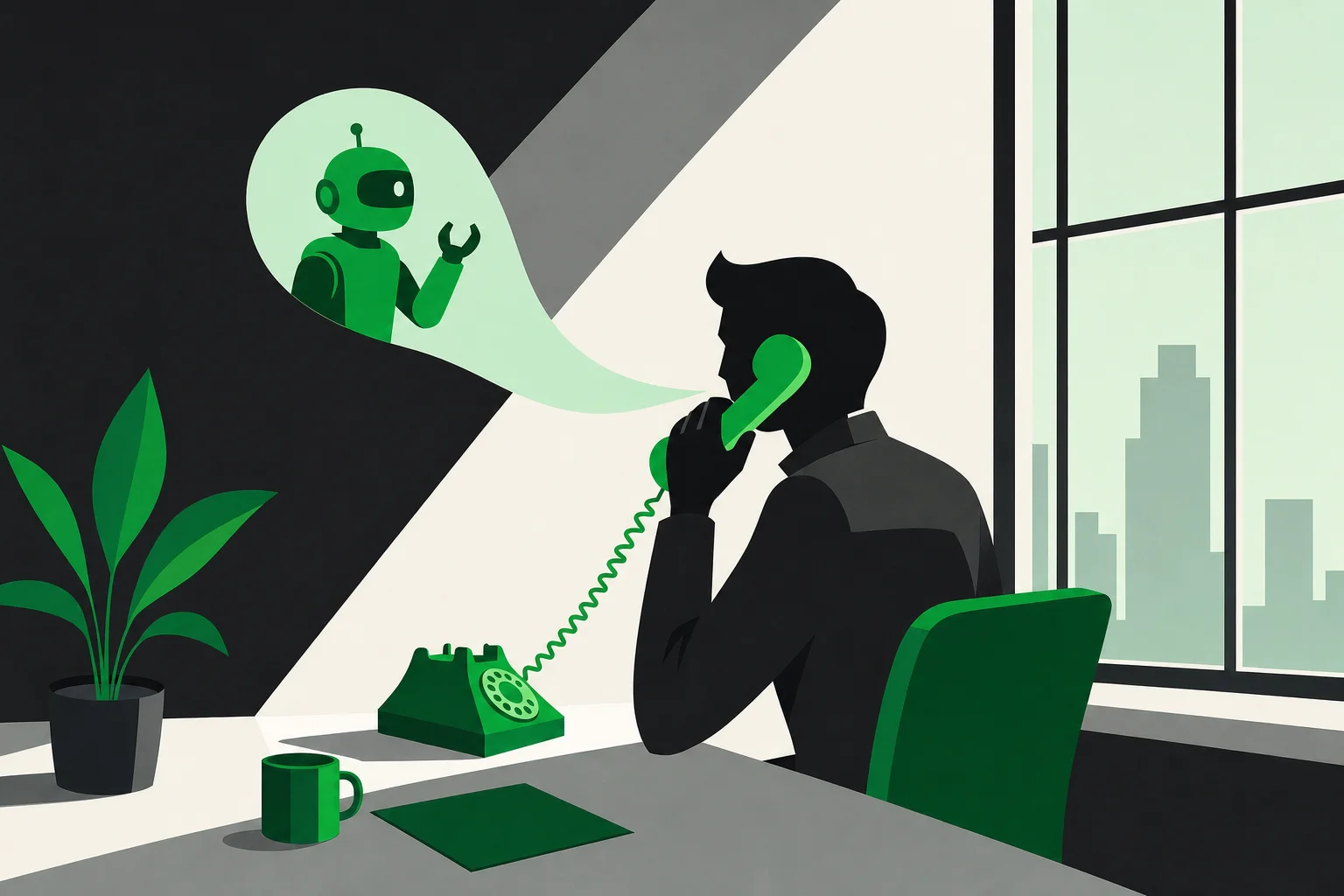
AI voice technology and automated calling systems face evolving FCC regulation. The FCC proposed rules in 2024 (FCC 24-52) requiring AI voice disclosure within 2 seconds of call initiation. Meanwhile, Facebook v. Duguid (2021) narrowed the TCPA autodialer definition, legalizing predictive dialers calling from targeted lists. This creates a split regulatory environment where some automation is permissible with consent while AI voice usage requires additional upfront disclosure.
TL;DR: FCC proposed AI voice disclosure rules requiring identification within 2 seconds of call start (FCC 24-52, 2024). Predictive dialers are TCPA-compliant post-Facebook v. Duguid if calling stored lists. All automated calling still requires prior express written consent. Automated SMS needs same consent standard as calls per 47 CFR 64.1200.
What Are Automated Telephone Dialing Systems Under TCPA?
The Supreme Court's Facebook v. Duguid decision (2021) redefined TCPA autodialers. According to the ruling, devices must "use a random or sequential number generator" to meet the autodialer definition. Predictive dialers calling from stored contact lists don't qualify as TCPA autodialers.
This matters because non-autodialers face fewer TCPA restrictions. According to Troutman Pepper (2025), most legal CRM dialing systems (CallRail, ChaseData, Five9) don't meet post-Duguid autodialer definitions. They dial from targeted lead lists, not random number generation.
However, prior express consent remains required for all telemarketing calls to cell phones regardless of dialing technology. The Duguid decision narrowed autodialer definition but didn't eliminate consent requirements. Calling MVA leads without consent violates TCPA even using manual click-to-dial.
Predictive Dialers and Power Dialers
Predictive dialers call multiple numbers simultaneously, connecting answered calls to available agents. Power dialers call numbers sequentially from lists without pauses. Both dial from stored databases, not random generation, making them non-autodialers post-Duguid.
The FCC hasn't issued formal guidance on predictive dialers post-Duguid, but federal courts consistently rule they don't meet the statutory definition. This gives legal lead buyers more flexibility in dialing technology without autodialer classification triggering stricter consent rules.
FCC's Proposed AI Voice Disclosure Rules
In March 2024, the FCC released Notice of Proposed Rulemaking (FCC 24-52) requiring disclosure when AI-generated voices are used in consumer calls. According to the proposal, calls using AI voices must disclose the technology's use "at the outset of the call" before substantive content begins.
The FCC proposes disclosure within 2 seconds of call connection. Acceptable language includes: "This call uses AI-generated voice technology" or "You are speaking with an AI system." The disclosure must be clear, conspicuous, and in plain language understandable to average consumers.
Penalties for non-disclosure would match existing TCPA violations: $500-$1,500 per call. While the rule remains proposed (not yet final), it signals clear FCC intent. Firms experimenting with AI intake should implement disclosure now to avoid compliance issues when final rules adopt.
What Counts as AI Voice Technology?
The FCC proposal covers "artificially generated or prerecorded voices that simulate human conversation." This includes text-to-speech systems (Amazon Polly, Google Text-to-Speech), voice cloning (ElevenLabs, Descript), and conversational AI (ChatGPT voice mode, custom voice assistants).
Traditional IVR (press 1 for sales) likely doesn't trigger disclosure because it's obviously automated. The rule targets AI voices realistic enough to deceive consumers into thinking they're speaking with humans. According to FCC Commissioner statements, the goal is preventing AI impersonation fraud, not banning beneficial AI uses.
Consent Requirements for Automated Calling
All automated calls to cell phones require prior express written consent regardless of technology type. According to 47 CFR 64.1200, consent must be in writing, signed, and specifically authorize calls using artificial or prerecorded voice or automatic telephone dialing system.
The FCC's 1:1 consent rule (January 2025) requires consent name your firm specifically or document valid consent transfer. Generic consent to "partners" no longer satisfies TCPA safe harbor. This applies equally to AI voices, predictive dialers, and manual calling for purchased leads.
Written consent means electronic or physical signature. Web form checkboxes satisfy the writing requirement if they meet E-Sign Act standards (clear agreement statement, opt-in not pre-checked, retained records). According to ActiveProspect (2024), TrustedForm certificates document compliant electronic consent.
Automated SMS and Text Message Rules
SMS messages to cell phones face identical TCPA restrictions as voice calls. According to FCC rules, automated texts require prior express written consent. The consent must specifically authorize SMS contact, not just general "contact permission."
Many lead forms include separate SMS consent checkboxes for this reason. "I agree to receive text messages" satisfies the specific authorization requirement. Generic "contact me" consent doesn't cover SMS under FCC interpretations.
Penalties for unsolicited SMS match voice call violations: $500-$1,500 per text. Class actions alleging unconsented SMS have produced multi-million dollar settlements. Notable cases include Papa John's ($16.5M, 2023) and Jiffy Lube ($47M, 2022).
SMS Compliance Best Practices
Separate consent fields for voice and SMS prevent ambiguity. Forms should include: "I consent to phone calls using automated technology" and separately "I consent to receive SMS text messages." This specificity satisfies FCC interpretation of prior express written consent.
Include opt-out language in every automated SMS. "Reply STOP to opt out" gives consumers easy exit. FCC rules require honoring STOP requests within reasonable time (interpreted as 24-48 hours maximum). Continued texts after STOP requests convert negligent violations into willful violations, tripling damages.
Call Recording and Two-Party Consent States
Eleven states require all-party consent for call recording: California, Florida, Illinois, Maryland, Massachusetts, Michigan, Montana, New Hampshire, Oregon, Pennsylvania, and Washington. Recording intake calls in these states without disclosure violates state wiretap laws separate from TCPA.
Best practice: announce recording at call start regardless of state. "This call may be recorded for quality assurance" satisfies disclosure in all jurisdictions. Caller continuing after disclosure implies consent under most state interpretations.
Recording laws apply even to manual (non-automated) calls. If you're recording intake for training or compliance purposes, disclosure is mandatory in two-party consent states. Violations carry $1,000-$5,000 statutory damages per call under state wiretapping statutes.
Future AI Regulation Trends
Expect FCC finalization of AI voice disclosure rules by late 2026 or early 2027. The 2024 proposal received industry comments through May 2024. FCC typically adopts final rules 6-18 months after comment periods close.
Additional AI regulations may address voice cloning (impersonating specific individuals), deepfake detection requirements, or consent for AI-driven personalization. According to FCC Commissioner statements, balancing innovation with consumer protection guides rulemaking philosophy.
State-level AI calling laws are emerging. Colorado and California have proposed bills requiring AI disclosure. Multi-state firms should monitor state legislation and default to stricter requirements when state and federal rules diverge. Calling windows are set at state level too, so check state calling-hour restrictions before you schedule automated dials.
Compliance Recommendations
If using AI voices for intake, implement disclosure now before final FCC rules. Script: "This call uses AI technology. I'm an automated assistant helping schedule your consultation. May I proceed?" This satisfies anticipated disclosure requirements while setting proper expectations.
Document all AI usage in compliance files. Maintain records of disclosure scripts, AI vendor contracts, and staff training on AI compliance. This demonstrates good-faith compliance efforts if regulations change or claims arise.
Review dialing technology with counsel. Confirm your system doesn't meet post-Duguid autodialer definition. Most legal CRMs qualify as exempt, but custom integrations or third-party dialers may have different classifications. Legal review costs $1,000-$3,000 but clarifies exposure.
Frequently Asked Questions
Does using AI voices on intake calls require special FCC disclosure?
Yes, under FCC proposed rules (FCC 24-52, 2024), AI-generated voices must disclose non-human nature within first 2 seconds of call. Acceptable language: "This call uses AI-generated voice technology." Failure to disclose violates TCPA even with valid consent. The rule awaits final adoption but represents clear FCC intent.
Are predictive dialers legal under current TCPA rules?
Yes, after Facebook v. Duguid (2021). Supreme Court ruled predictive dialers don't meet TCPA autodialer definition unless they dial random or sequential numbers. According to Troutman Pepper (2025), most legal CRM dialers are TCPA-compliant because they dial from targeted lists, not random number generation. However, prior express written consent remains required.
Can I use automated SMS for MVA lead follow-up?
Only with prior express written consent. FCC rules (47 CFR 64.1200) require same consent standard for automated texts as automated calls. According to FCC guidance, consent must be in writing, signed, and specifically authorize SMS contact. Generic consent to "contact" doesn't satisfy SMS requirements.
What is the difference between autodialer and predictive dialer?
Autodialers generate and dial numbers without human intervention using random or sequential algorithms. Predictive dialers call from targeted lists, predicting when agents will be available. Post-Facebook v. Duguid, predictive dialers calling stored lists aren't TCPA autodialers according to Supreme Court definition. Both still require consent.
Will FCC ban AI voices for telemarketing completely?
Unlikely. FCC proposals focus on disclosure, not prohibition. According to FCC Commissioner statements (2024), the goal is informed consent, not technology bans. Expect final rules requiring upfront AI disclosure within 2-5 seconds of call initiation. Full bans would face First Amendment challenges and harm legitimate uses like accessibility.
Conclusion
AI and automation in legal lead contact face evolving FCC regulation. The 2024 proposed AI voice disclosure rule signals coming requirements for upfront identification of non-human voices within 2 seconds of call start. Meanwhile, Facebook v. Duguid clarified that predictive dialers calling from stored lists don't meet TCPA autodialer definition. All automated calling still requires prior express written consent regardless of technology classification. Firms using AI should implement disclosure now and maintain detailed compliance documentation.
Monitor FCC rulemaking through 2026-2027 for final AI disclosure requirements. State laws may impose stricter standards. Default to disclosure and documented consent to stay ahead of regulatory evolution.
Review TCPA compliance fundamentals or explore the FCC's 1:1 consent rule requirements.

I run the ads, funnels and intake that turn accident inquiries into signed cases for your firm. 10 years in performance marketing, 5 in software.
Let’s scope your pilot.
Book a call and we’ll work through your product, target areas and requirements together.